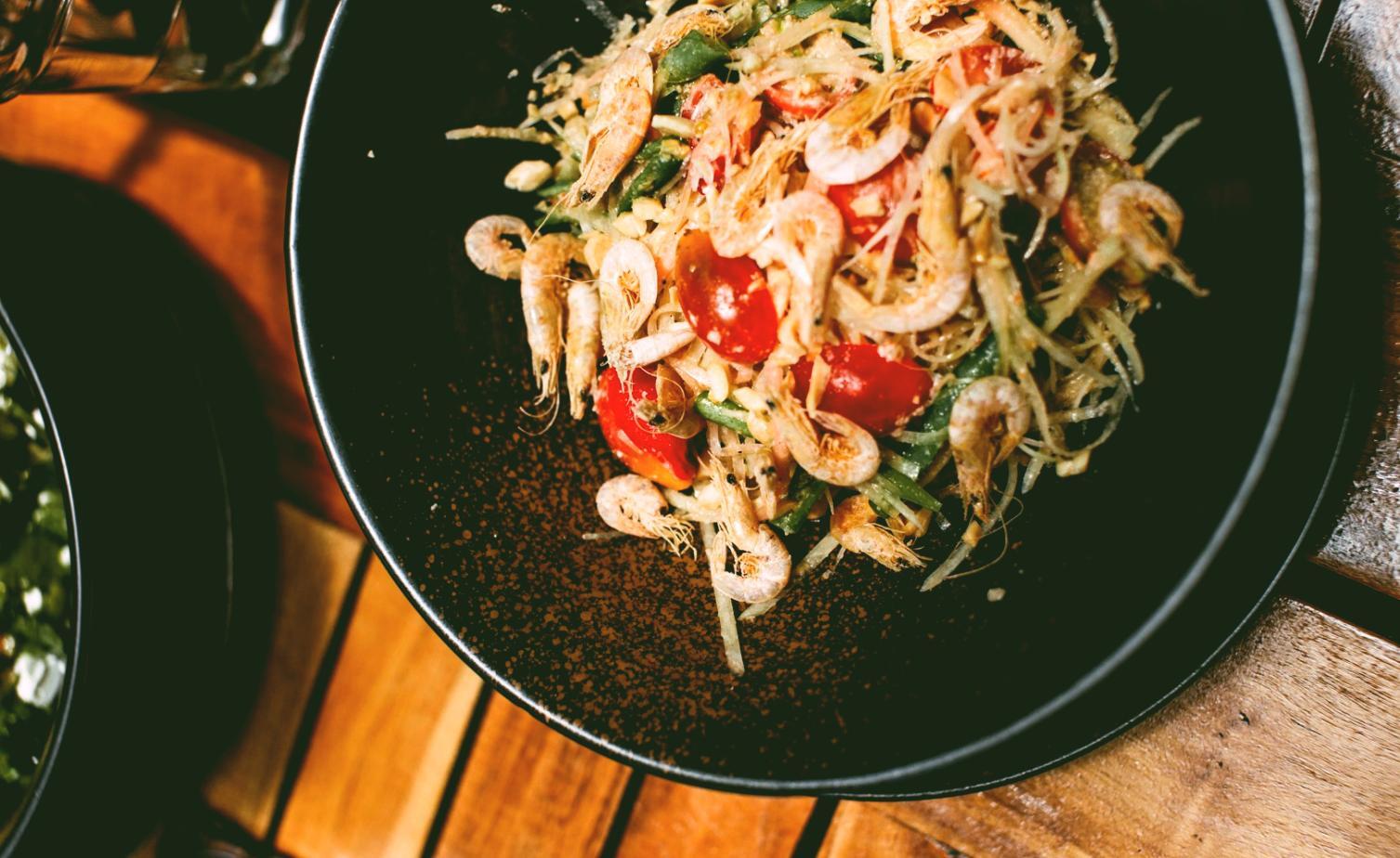
From Empty Tables to Consistent Bookings: An Ethiopian Restaurant Case Study
A Kyiv-based Ethiopian restaurant struggled with low foot traffic and unfamiliar dishes. Here is what changed after a targeted business strategy shift.
Read article
Uymbron writes about ethnic cuisines — what they actually taste like, where they come from, and what gets lost when recipes travel without context.
Latest article
A Kyiv-based Ethiopian restaurant struggled with low foot traffic and unfamiliar dishes. Here is what changed after a targeted business strategy shift.
Read articleBy the numbers
Most returned-to pieces

Some fermented sauces predate the dishes they accompany by centuries. Tracing how doenjang, miso and shrimp paste ended up central to cuisines that originally formed without them.
Read
Cardamom, sumac, fenugreek, long pepper, galangal, asafoetida — each one arrived in a cuisine from somewhere else and stayed. This piece follows the routes rather than the recipes.
Read
Hand eating in Ethiopian, South Indian and West African contexts is deliberate and technically specific. The assumption that it signals informality says more about the observer than the practice.
ReadAdjacent topics on the site

Sourcing pieces that go behind supermarket labels — regional producers, seasonal availability, and substitutions that hold the flavour logic of the original.

Notes on research method — how dishes are chosen, which sources are trusted, and the editorial logic behind what gets published and what stays in a notebook.
Uymbron exists because most food writing flattens what it covers. A cuisine gets reduced to three signature dishes, a national adjective and a romanticised backstory. That approach is efficient, but it misses most of what makes food interesting.
The work here is slower. Each piece tries to place a dish, ingredient or practice inside the actual conditions that produced it — climate, trade, migration, religion, agriculture. Context is not decoration; it is the content.
Readers who come here tend to already know the surface version. They are looking for the layer underneath — the part that explains why a cuisine is the way it is, not just what it tastes like.

No fixed schedule. When three or four strong pieces are ready, subscribers get a short email with the links and a note on why each one was written. That is the whole offer.