
Daryna Voloshyn
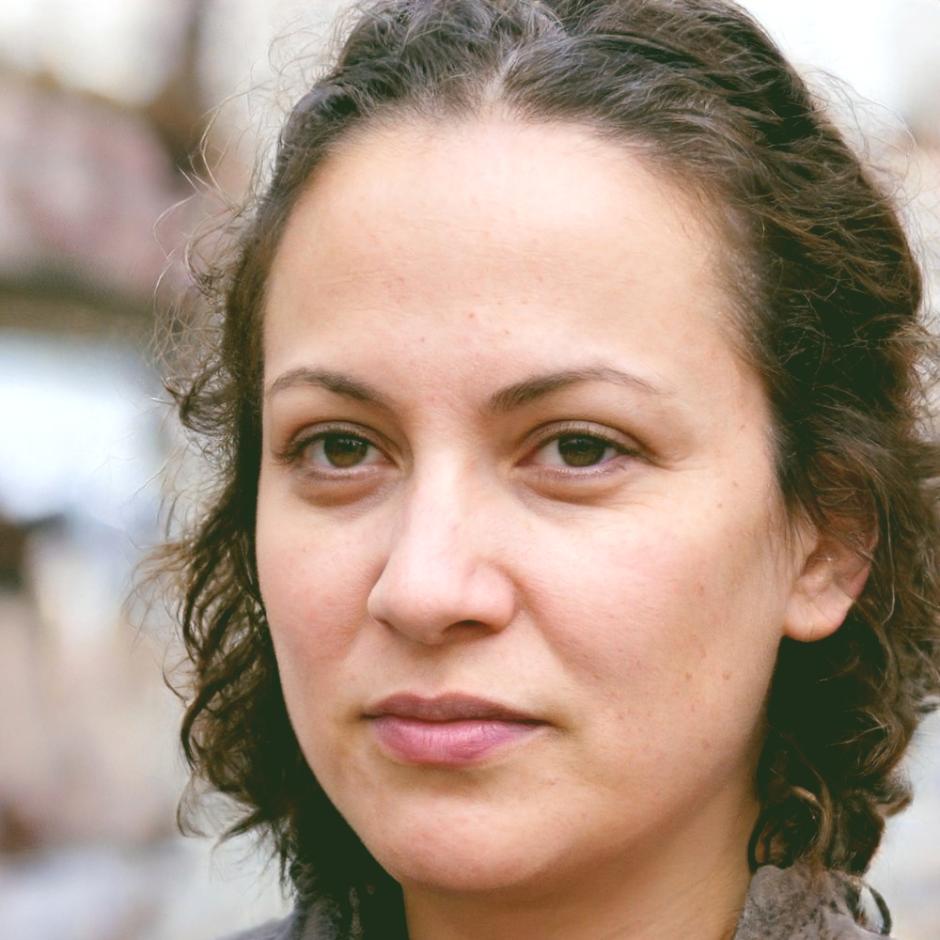
Food Writer & Culinary Researcher
Started cooking other people's food out of curiosity, ended up writing about it for years. Daryna Voloshyn grew up in Kyiv with a mother who treated every market visit as an educational event — pointing out fermented things, dried things, things that smelled alarming but tasted wonderful. That early exposure to ingredients with histories attached to them shaped the direction her writing eventually took.
Most food writing either goes too shallow — pretty photos, three-sentence recipes — or too academic, buried in citations nobody reads. Uymbron tries to sit somewhere between those two extremes. Each piece aims to explain where a dish actually comes from, why it tastes the way it does, and what gets lost or changed when it crosses borders. Sometimes that involves visiting a restaurant run by someone from the original region. Sometimes it just means reading old cookbooks and arguing with what they claim.
The focus is ethnic cuisines — not as exotic curiosities, but as functional, deeply considered food systems that developed over generations. Georgian stews, West African fermented condiments, Yemeni flatbreads, Okinawan home cooking. The details matter. The method matters. What gets called "authentic" is always worth questioning, but the questioning itself tends to produce more interesting writing than the answer.
How the writing actually works
-
01
Start with a gap, not a topic
Most articles begin with something missing — a cuisine written about only in passing, a technique misrepresented in English-language sources, a regional variation that gets flattened into its national category. That gap becomes the question.
-
02
Cross-reference across sources
No single cookbook is treated as definitive. Research pulls from diaspora food blogs, academic anthropology, translated cookbooks, and whenever possible, conversations with people who actually cook the food at home.
-
03
Cook before writing
Every article involves preparing at least one dish from the cuisine being covered. Not to produce a recipe, but to understand what the cooking process reveals about the food's logic — its timing, its ratios, what it forgives and what it doesn't.
-
04
Edit for specificity
Vague descriptions get cut. "Rich flavor" means nothing. "The fermented shrimp paste sits underneath everything else like a low note you feel before you hear" is at least trying to say something real.
Questions, corrections, or just want to argue about fermentation
Reach out directly. Reader feedback has corrected factual errors, introduced better sources, and occasionally started interesting arguments that improved later articles.